Understanding Daily Nutrient Balance
An educational exploration of nutrient composition in everyday diets. Discover the diversity of food groups and their role in daily meals.

An educational exploration of nutrient composition in everyday diets. Discover the diversity of food groups and their role in daily meals.
Daily nutrient balance refers to the concept of consuming a variety of food groups throughout the day. This educational resource explores how different foods contribute various nutrients to everyday diets.
The notion of balanced eating has evolved across cultures and time periods. Historical dietary patterns reflected local food availability, seasonal variations, and cultural traditions. Modern understanding recognizes the complexity of nutrient interactions in daily meals.
This resource provides context about nutritional diversity in everyday eating patterns, without prescribing specific dietary approaches or making health-related claims.
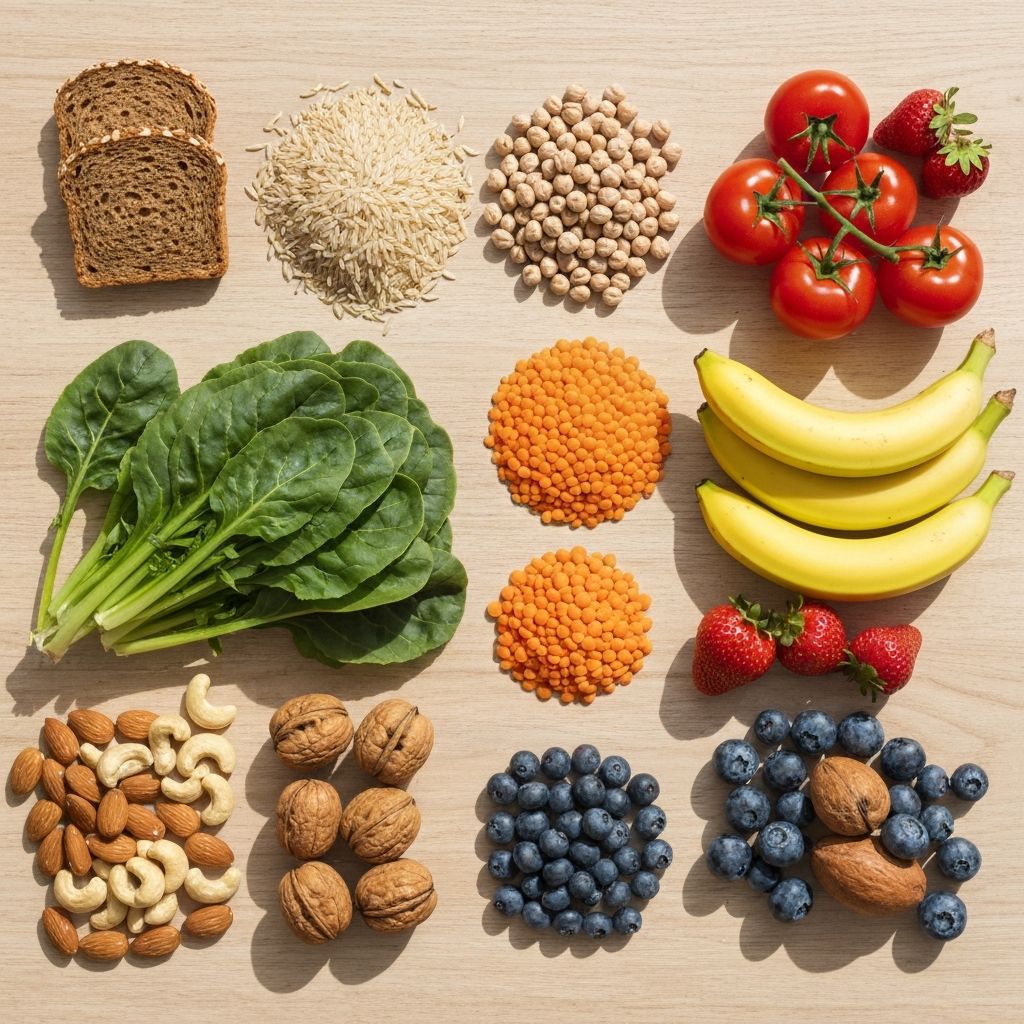
Nutrients are commonly classified into several broad categories based on their chemical composition and quantities present in foods. These categories include macronutrients and micronutrients.
Macronutrients encompass carbohydrates, proteins, and fats. Micronutrients include vitamins and minerals. Water is also considered an essential component of dietary intake.
Different foods contain varying combinations and amounts of these nutrient categories. The diversity of food sources contributes to the overall variety in daily eating patterns.
Carbohydrates are found in grains, legumes, fruits, and vegetables. They represent one of the primary nutrient categories in many dietary traditions worldwide.
Proteins are present in various food sources including legumes, grains, dairy products, eggs, fish, and meat. Different cultures have developed diverse protein-rich food preparations.
Fats occur naturally in nuts, seeds, oils, dairy products, and certain fish. The types and sources of dietary fats vary across regional cuisines and eating patterns.


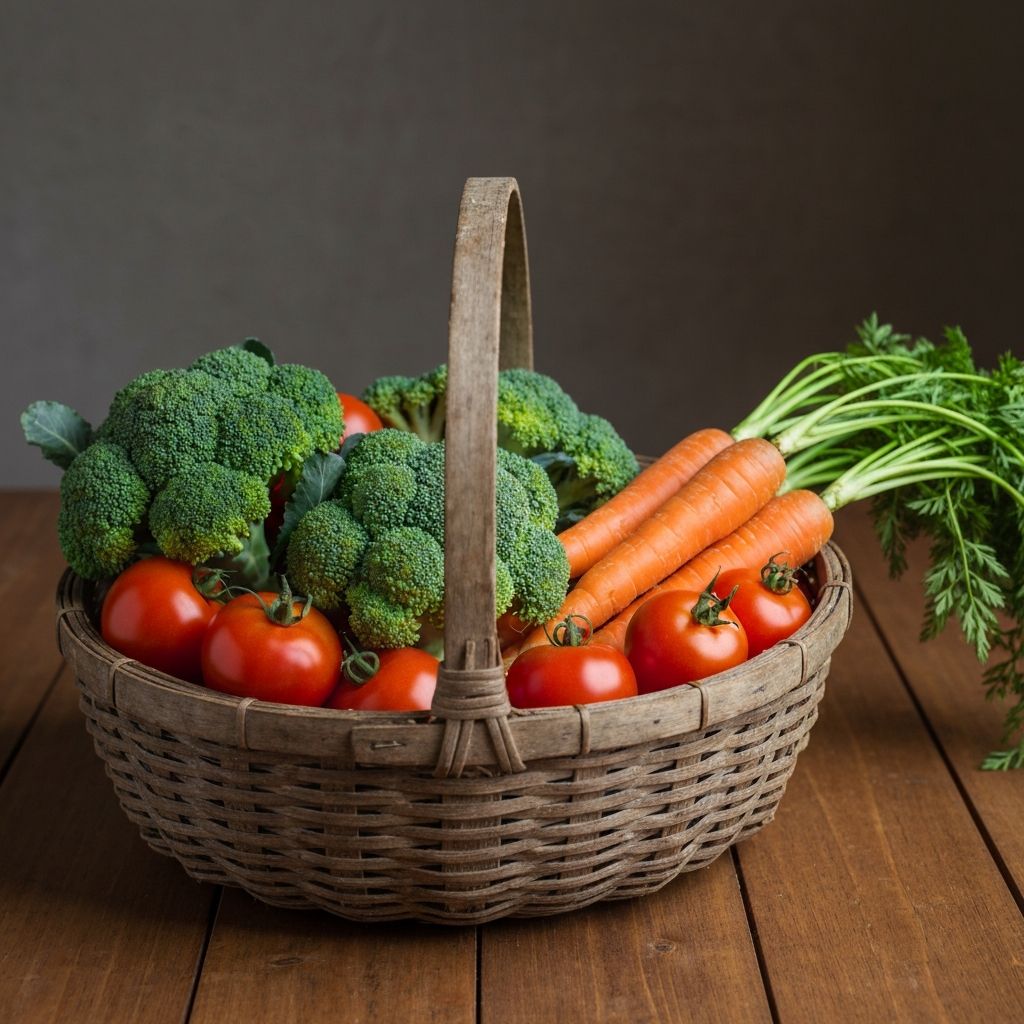
Micronutrients include various vitamins and minerals that are found in different food groups. The variety of colors in fruits and vegetables often reflects different micronutrient compositions.
Leafy greens, colorful vegetables, fruits, whole grains, nuts, and seeds each contain different combinations of micronutrients. Dietary diversity has historically been associated with broader nutrient variety.
Traditional dietary patterns across cultures often incorporate seasonal produce and locally available foods, contributing to natural variation in micronutrient intake throughout the year.
Various food products contribute different nutrients to everyday diets. Understanding the diversity of food sources helps contextualize traditional eating patterns.

Whole grains such as oats, wheat, barley, and rye have been staples in European diets for centuries. They contain carbohydrates, fiber, and various B vitamins.
Different grain preparations including bread, porridge, and pasta represent diverse culinary traditions across regions.

Nuts and seeds contain fats, proteins, fiber, and various micronutrients. Almonds, walnuts, sunflower seeds, and pumpkin seeds are common examples.
These foods have been part of human diets across many cultures, often consumed as snacks or incorporated into meals and baked goods.

Dairy products including milk, cheese, and yogurt contain proteins, fats, and minerals such as calcium. Fermented dairy has a long history in European food culture.
Regional cheese varieties and yogurt preparations reflect local traditions and fermentation practices developed over generations.
German dietary traditions have historically emphasized whole grains, potatoes, cabbage, root vegetables, and fermented foods. Regional variations reflect local agricultural practices and climate.
Bread culture in Germany is particularly diverse, with numerous regional varieties using different grains and preparation methods. This reflects centuries of baking traditions.
Seasonal eating patterns have traditionally played a role in German food culture, with preserved and fermented foods historically important during winter months.


Traditional meal structures vary across cultures. In many European contexts, meals historically consisted of a combination of grains, vegetables, and protein sources.
The concept of dividing daily food intake into breakfast, lunch, and dinner is a relatively modern convention that varies by culture and individual preference.
Meal timing and composition are influenced by work schedules, social customs, and personal preferences rather than universal nutritional rules.
Food sourcing practices have evolved significantly over time. Historically, diets were primarily based on locally grown and seasonally available ingredients.
Modern food systems provide access to a wider variety of ingredients year-round. The origins of food products reflect global agricultural and trade networks.
Understanding food origins provides context about agricultural practices, seasonal availability, and the journey of ingredients from farm to table.
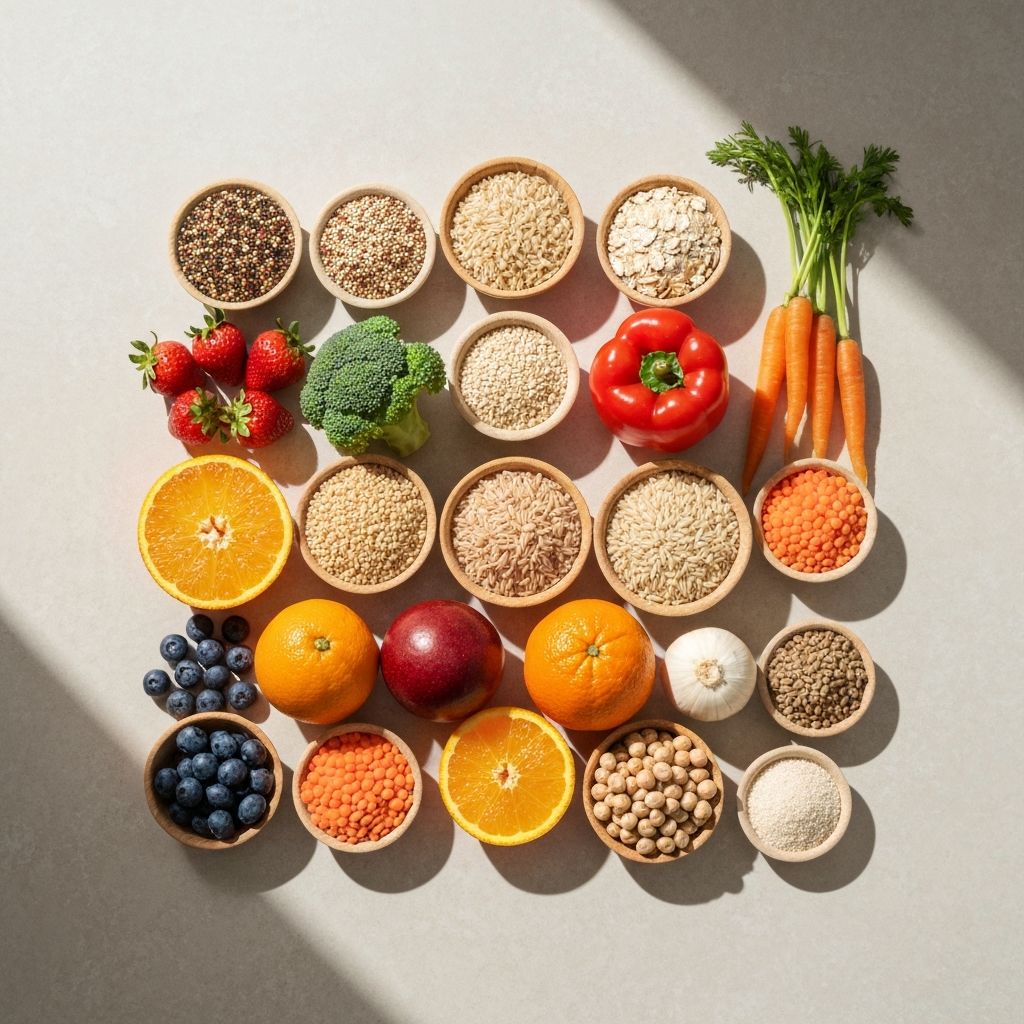
Dietary variety refers to consuming foods from different food groups over time. This concept has been observed across many traditional eating patterns worldwide.
Different cultures have developed unique approaches to incorporating diverse foods into their daily meals, reflecting local availability and culinary traditions.
Educational Context: This resource provides general information about food diversity and dietary patterns. It does not provide personalized dietary advice or health recommendations. Individual nutritional needs vary based on numerous factors.
Daily nutrient balance is an educational concept referring to the variety of nutrients present in foods consumed throughout the day. It describes the diversity of food groups in dietary patterns rather than prescribing specific nutritional targets.
Different foods contain varying combinations of nutrients. Grains provide carbohydrates and fiber, nuts contain fats and proteins, vegetables offer various micronutrients, and dairy products contain proteins and minerals. The specific nutrient content varies by food type and preparation method.
Food diversity has been a characteristic of traditional dietary patterns across cultures. Consuming foods from different groups over time provides exposure to various nutrient categories. Cultural eating patterns have historically incorporated seasonal and locally available ingredients.
No. This resource offers educational information about food composition and dietary patterns from a cultural and historical perspective. It does not provide personalized nutrition advice, health recommendations, or guidance on individual dietary choices.
Cultural dietary patterns reflect local food availability, agricultural practices, climate, and historical traditions. German dietary traditions, for example, have historically emphasized whole grains, potatoes, and fermented vegetables, while other cultures have developed different staple foods and preparation methods.
Learn more about dietary diversity and food composition in our educational materials.
Read More